
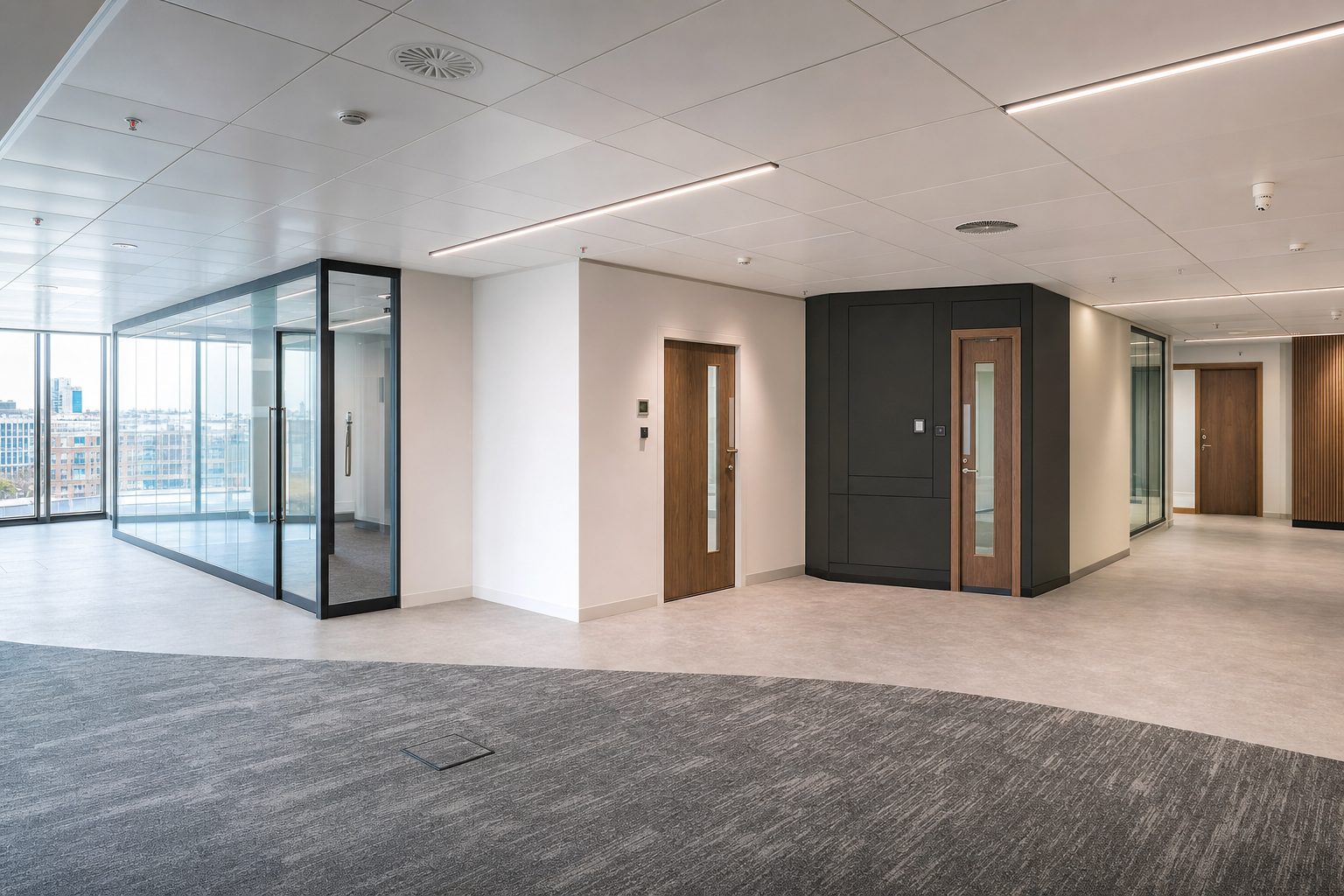
What makes a construction package easier to manage
Clear boundaries from the start
You know exactly what is included in the package and how it connects with surrounding works.
Less interface issues
Dependencies are reviewed early so trades are not left guessing on site.
Managed through to handover
Quality checks and final close-out remain aligned with the agreed package scope.
Defined packages that fit the wider construction job
A commercial works package should not leave you guessing where one responsibility ends and another begins. We manage defined construction packages with clear scope, programme, drawings, specifications and interfaces, so each part of the work sits properly inside the wider project. That can cover mechanical and electrical installations, electrical work, plumbing, painting and finishing, depending on what the contract needs. With RRC, the package is not treated as a loose bundle of tasks. We establish the boundaries before mobilisation, which helps clients, site teams and adjacent contractors understand what is included, what depends on it and what needs to happen first.
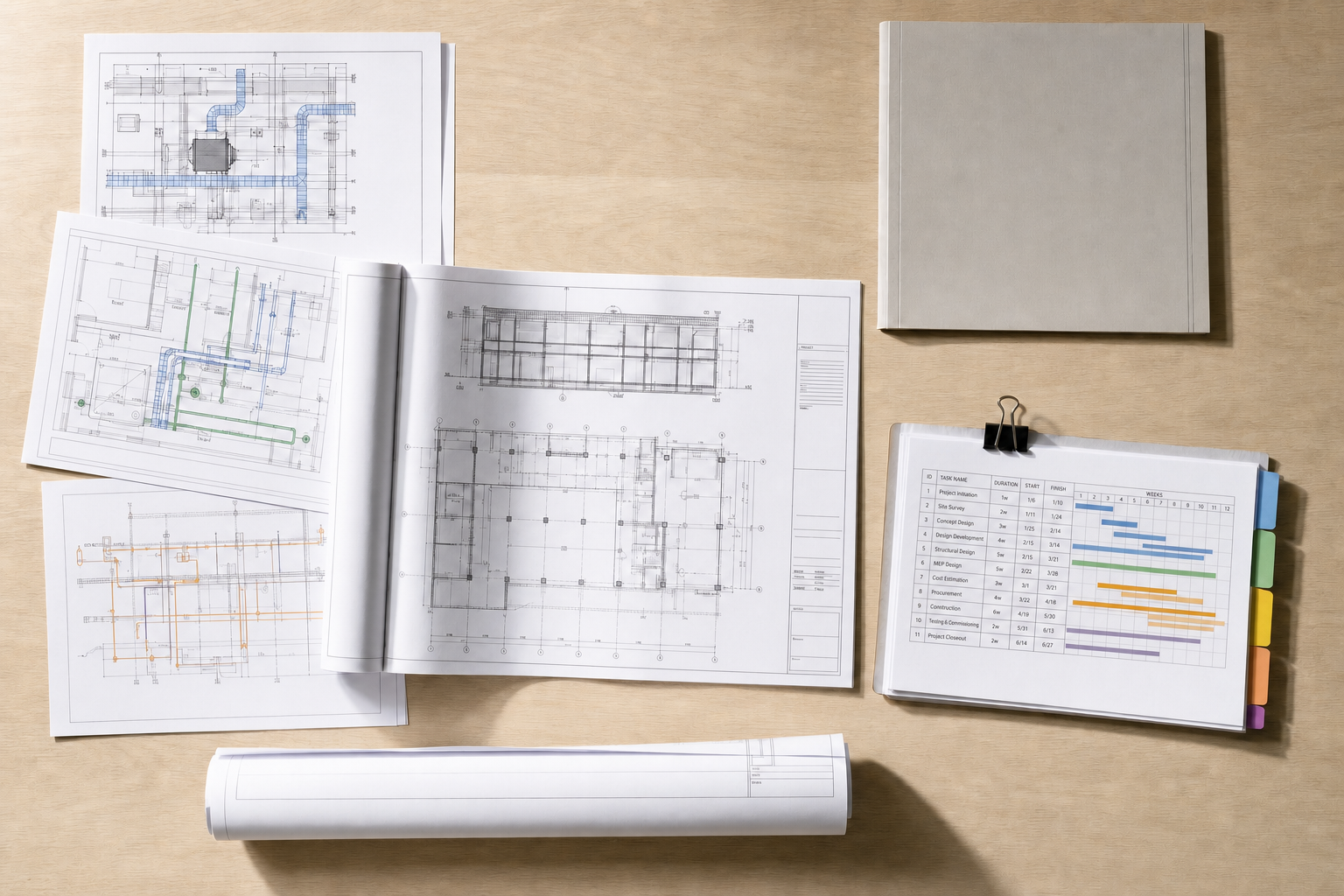

Interface planning before site pressure takes over
Most package problems come from unclear handovers between one area of work and the next. We review access needs, retained systems, dependencies, information release and coordination with adjacent contractors before delivery is pushed onto site. Across RRC projects, that control continues through progress checks, quality review, testing requirements, snagging and package handover. It is a practical way to stop defined work from becoming undefined trouble once the programme tightens and different teams start competing for the same spaces.
Frequently asked questions
What is a commercial works package?
It is a defined group of related construction activities managed under a clear scope, programme and set of interfaces. The exact content depends on the project, but the aim is the same: to give that part of the work proper boundaries instead of leaving responsibilities blurred between several teams.
How do you manage interfaces with other contractors?
We review drawings, access arrangements, retained systems, programme dependencies and the points where our package meets adjacent works before mobilisation. That helps us reduce gaps, duplication and last-minute arguments about who was meant to do what in shared areas.
What happens at the end of the package?
We track the package through quality checks, testing where required, snagging and handover so completion is tied back to the agreed scope. That means the close-out process is not left loose, which is often where a tidy package can start unraveling.