
What keeps multi-site work running sensibly
Smarter rollout planning
Surveys, grouping and site order help the programme move with less drift.
Consistent standards
Repeatable specifications help keep completed work aligned across sites.
Clear programme visibility
Reporting and handover records show progress site by site and overall.
A repeated requirement turned into one managed programme
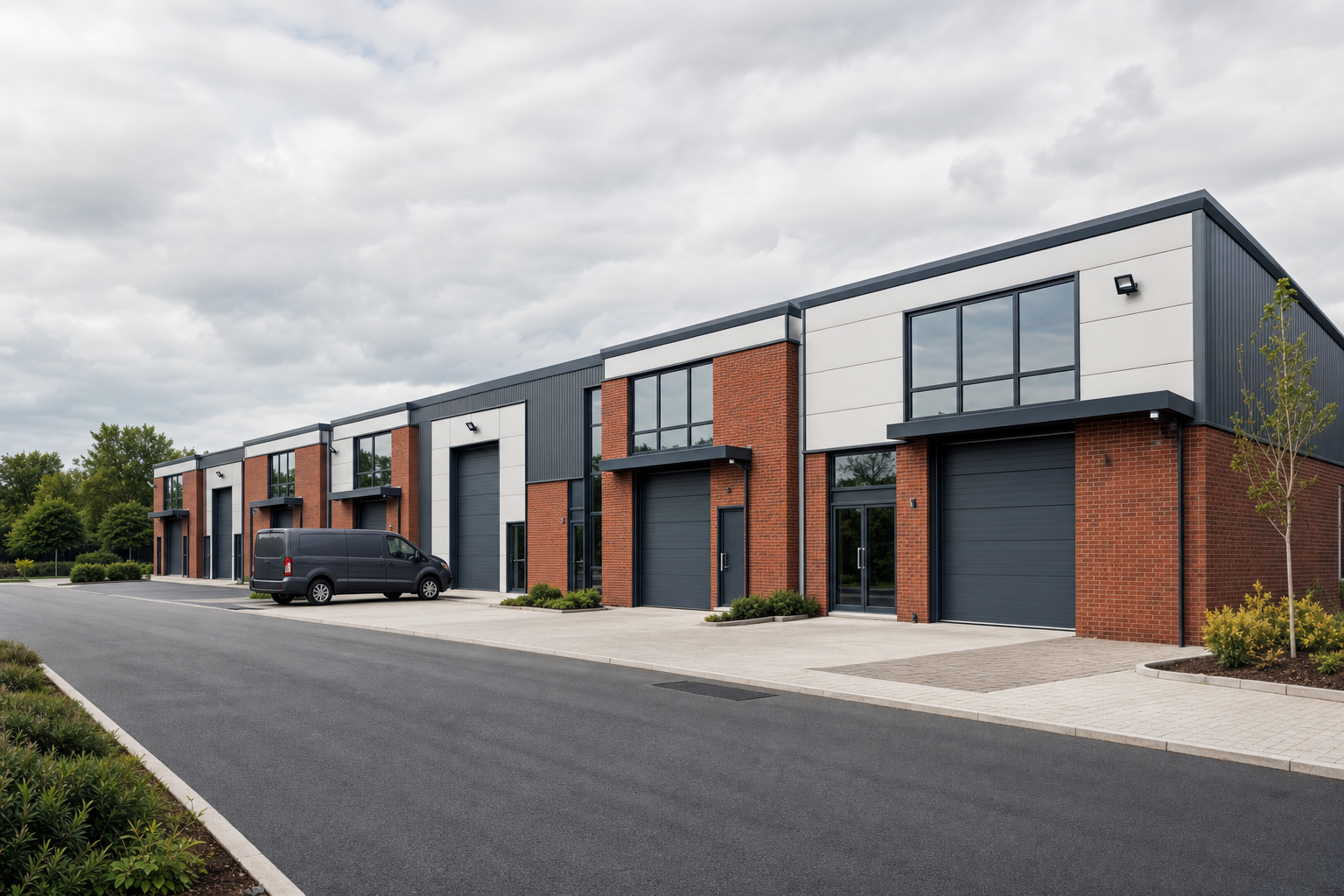
Multi-site refurbishment only looks straightforward from a distance. Once several properties, access arrangements, local conditions and programme dates are involved, the gaps between sites can start causing as much trouble as the work on site itself. We turn repeated refurbishment needs into one coordinated programme by planning surveys, grouping sites, setting mobilisation order and applying repeatable specifications where they make sense. With RRC, client teams do not need to manage each property as if it were an unrelated job. We keep labour, specialist trades and materials moving in a sequence that supports the wider rollout, which helps reduce downtime between sites and keeps delivery standards more consistent.

Central reporting with local site realities in mind
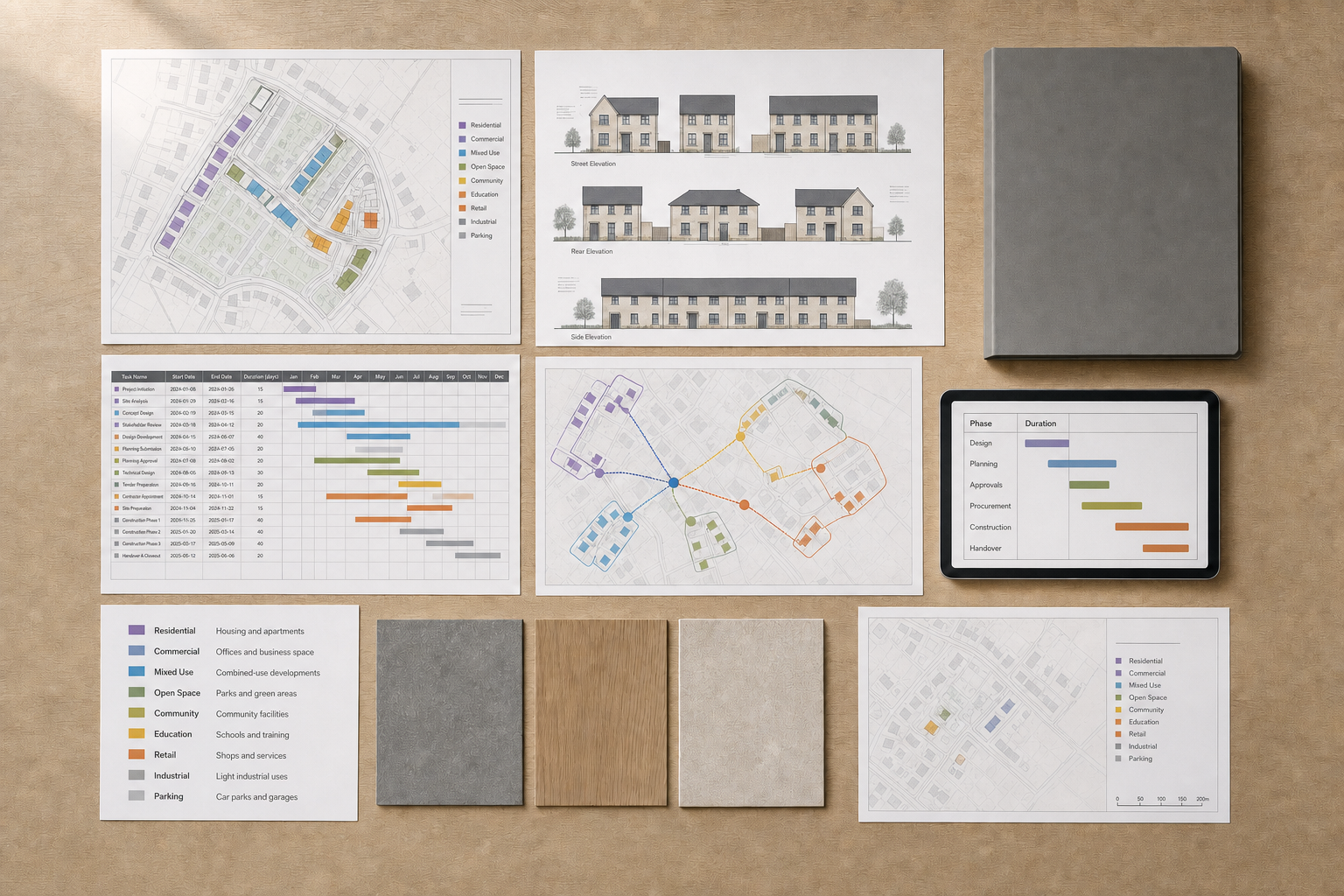
A rollout only stays under control when central oversight still leaves room for site-specific facts. We track progress across the programme while responding to different access constraints, condition findings and dependencies from one property to the next. Across RRC projects, this includes site-by-site completion checks, snag closure and consolidated handover records, so the client team can see both the overall picture and the detail underneath it. That balance is what keeps a multi-site programme from becoming a collection of similar problems repeated in different postcodes.
Frequently asked questions
How do you decide the order of sites in a rollout?
We review surveys, access information, site readiness, trade dependencies and programme priorities before setting the mobilisation order. That helps us build a sequence that suits the wider requirements rather than sending teams back and forth in a way that wastes time and disrupts the programme.
How do you keep work consistent across several properties?
We use agreed specifications, controlled sequencing and central oversight, while still responding to the condition of each site. That allows us to maintain a more consistent standard without ignoring the practical differences that always show up once work begins on individual properties.
What reporting do you provide on multi-site refurbishment?
We track progress through the programme and keep site-by-site completion, snag and handover information so the client team can follow what is happening across the rollout. That gives a clearer picture than broad updates that say plenty but tell you very little about any one location.